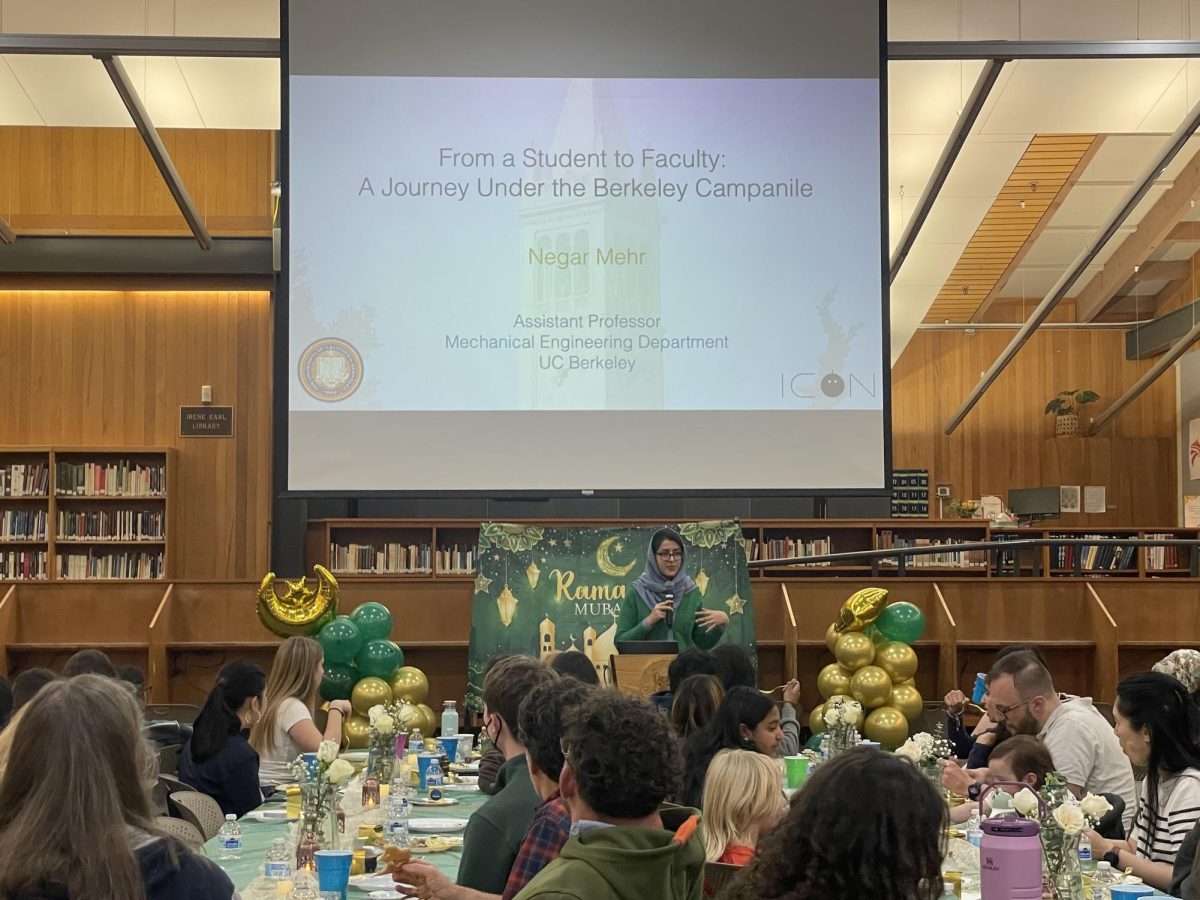
Campo’s Muslim Student Association (MSA) hosted their second annual Ramadan Iftar event in the Library Student Center Thursday evening, March 5. Around 100 community members attended to learn about Ramadan and Islam, share catered Persian food, and hear two Muslim guest speakers discuss their experiences.
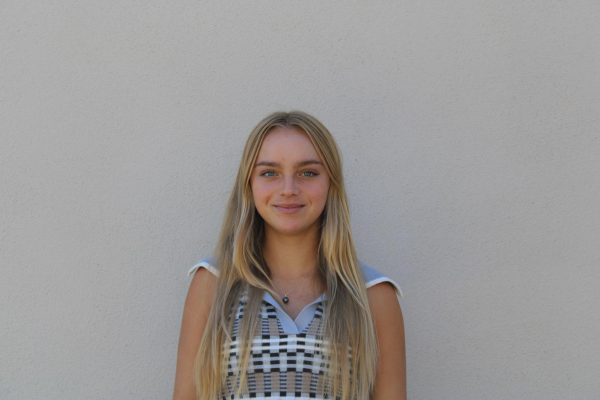
Meticulous preparation was required of the MSA to put together the event. Vice president of the MSA junior Amara Khan said, “it came down to tiny details like table placement, decorations, how the agenda of the night was going to go. There was a lot more that went into it than you would expect. There was also planning regarding who to cater from, how much of our DEIB grant money would go towards food, and how much would go towards decorations and other things.”
Part of the event’s organization was finding and communicating with the guest speakers. One of the speakers, a man who started the “Muslims of Haas” group at UC Berkeley, talked about what Islam means to him as a time of spiritual growth and self-reflection. The second speaker, a professor at UC Berkeley for mechanical engineering, shared her struggles as an immigrant and specifically the imposter syndrome she felt in the process to professorship.
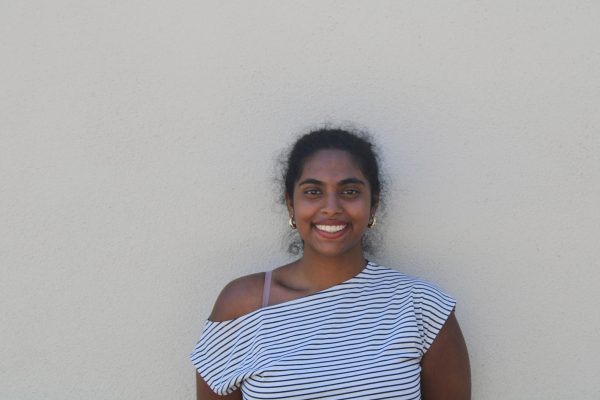
There was also a Q&A session with the speakers that gave community members a chance to ask questions related to Islam, Ramadan, and non-religious topics which ended up including attending college. An attendee of the event senior Anjali Rao said, “it was really cool and relatable to see their [the guest speakers’] journey living in America and learning to fit in and excel in their studies.”
The MSA is an integral part of the Campo community and works to create a space of acceptance and belonging for Muslim students and those interested in learning about Islam. President senior Maryam Kermani said she tries to “build personal connections with Muslim students who might not feel as welcome at first or might not know about the MSA.” She also strives to “create an accurate representation of Muslims and Islam on campus.” The inspiration to start an annual Ramadan Iftar event at Campo her junior year came from surrounding colleges and universities, including UC Berkeley, that hosted similar events led by impactful student-organizations.
At the Ramadan Iftar event “it was really amazing to see all these people learning about my culture and showing up and respecting it and being represented..also on a bigger level it means our school is becoming more culturally aware and celebrating diversity,” said Kermani. “Once you’re showing that one culture can take action and represent themselves and feel welcomed at school, that sets a precedent for a lot of other affinity groups and clubs,” she added.
Part of spreading cultural awareness means tackling misconceptions about different cultures and religions. Khan said, “a lot of people think that fasting during Ramadan is simply just abstinence from eating and drinking. However, there is so much more to Ramadan…it’s about breaking bad habits and building new and better habits. It’s about deeply reflecting on yourself and building a stronger spiritual connection with God and religion as well as purifying your soul. It’s about self discipline, self control, gratitude and empathy as well and it is an immensely sacred and powerful time of year for all muslims around the world.”
Some of the common misconceptions Kermani has noticed people have about Islam include “Ramadan is all about suffering,” and “Muslim women aren’t as empowered within Islam.” She explained the real struggle in fasting, from her personal experience, isn’t about physical pain but instead “learning how to say no. I think it strengthens me as a person to be able to take on a challenge…be able to empathize with those who are in need…increase my willpower and be able to self-reflect.” Regarding the public perception of women’s place in Islam Kermani encourages people to learn about what “is actually in the Qur’an and see the really important role women have had in Muslim history.” She thinks the speakers at the Ramadan Iftar event helped to provide a larger context for, and understanding about, Islam and Muslim culture.
The MSA hosted another successful Ramadan Iftar event and they hope to continue the impactful tradition next year.