Debating controversial topics, jumping between cultures, history, and politics, and drawing connections between the past and the present, all social studies and humanities classes accomplish these things and more. At Campo, no other class does it like Ethnic Studies.
Last year, the Ethnic Studies elective class became mandatory, committing every incoming sophomore to a semester of learning about the perspectives and experiences of four racial minority groups: African-Americans, Asian-Americans, Latino/Latina Americans, and Native Americans. Additionally, the curriculum explores the roles that prejudice, culture, and identity have played in American society. While Ethnic Studies has always had a measure of impact on sophomore schedules, recent current events have pushed the significance of the class into greater emphasis.
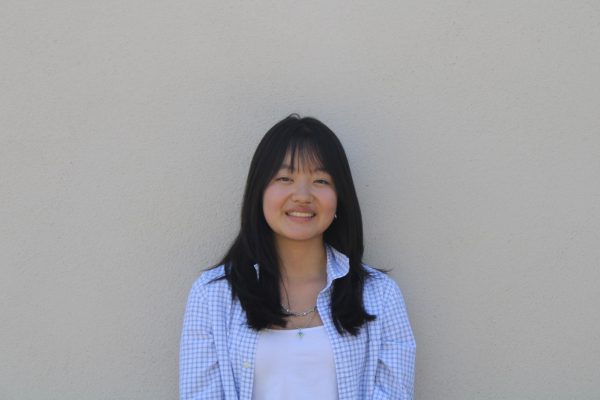
“To me, Ethnic Studies was really educating,” said sophomore Ella Chao, who took the class in the fall semester. “What I learned was that you can discuss your personal opinions, but you have to acknowledge the fact that not everyone will agree with them. Different perspectives depend on the area you live in and who you’re with; it’s very inclusive here, but just in general, keeping an open mind is what makes someone able to understand history with the past and the present.”
For a lot of sophomores, Ethnic Studies has come into their lives at a complex time. As students have become more aware of current events through social media and news cycles, they are increasingly exposed to conversations revolving around race, power, and identity. By making the class a graduation requirement, Campo effectively ensures that every student engages with these topics in a structured academic setting rather than through polarized sources.
“I think Ethnic Studies was cool because we learn about certain topics you wouldn’t learn about in other classes,” said sophomore James Ceridono. “I also think that it was good that it was a semester long, because it’s hard to go into depth about some of the things we talked about, but that also meant we had time for other important topics.”
While Ethnic Studies primarily centers on events in the context of history, students still analyze how modern systems of power reflect patterns established decades ago and even now. Rather than treating history and culture as static, the class frames them as things that are ongoing parts of the social climate today. This is similar to sophomore Ashton Lam’s view of the class, which has come up in relation to the Asian Media & Literature Club, which he is the co-president of. “In the club, we all review Asian literature, we can write essays about it; for example we watched an anime, and we saw how it relates to real world events,” he explained. “Ethnic Studies was really cool for me personally because I think it helped show more of my culture and other people’s cultures to the school.”
Sophomore David Siu, whose work and leadership within the local AAPI Youth Rising collective has raised even more exposure to the role Ethnic Studies has played. He said,“Every week, we would get a current events topic and debate how systems of power were affected in society. For me, I learned more about mental health, specifically in the AAPI community…It’s great to hear more about things like redlining and other societal pressures…understanding how to adapt and evolve from what we once knew. Ethnic Studies is really a great class to understand all the history behind different stereotypes as well that come up today.”
Beyond its academic content, Ethnic Studies is a class that has consistently prioritized discussion, where students are encouraged to actively listen and participate. In a time where conversations around controversial topics are charged, the classroom continues to remain a place where perspectives are rooted in empathy. As current events continue to highlight tensions across the country, Ethnic Studies is still an introduction to understanding the world with greater insight, awareness, and respect.